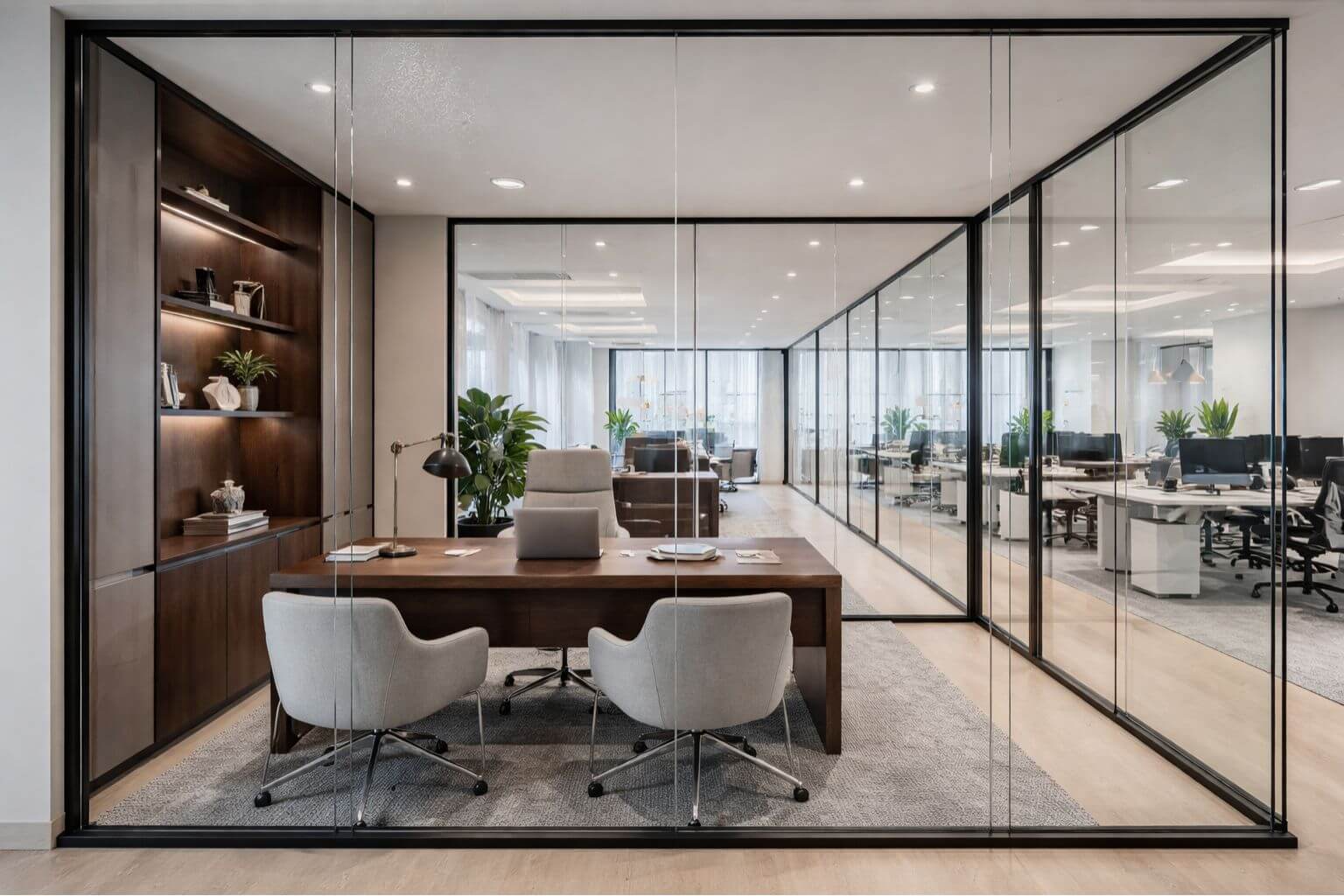
At Flow Office, we’re experts at creating and refurbishing functional and stylish office spaces for our clients. We design office environments and supply office furniture for a wide range of different workspaces and requirements, managing all shapes and sizes of offices and keeping on top of changing work patterns and trends.
Hot desking is one such trend. Beginning in the 1990s, it has since become an integral part of many businesses. This means that employees don’t have a designated desk, but instead take an available desk when they need it. It delivers a range of benefits for the employer and employees, helping to foster teamwork and support flexibility.
It has also become central to hybrid working. UK office buildings now run at around 37 per cent average occupancy, so a desk per person often sits empty for much of the week (UK office space statistics 2025). That is why so many firms are revisiting how they allocate desks, and why it pays to weigh the drawbacks alongside the benefits.
What are the 5 biggest benefits of incorporating a hot desk system into your office?

Tidier offices
Hot desking makes for tidier workspaces with employees unable to personalise their desks, leave personal items or stacks of papers. Hot desking means that employees have to take a minimalist approach to their personal belongings, creating a cleaner and more organised office space. It can also help in terms of keeping the office clean, and hygienic, which in the throes of a pandemic cannot be overstated.
Supports Hybrid Working
With the advent of hybrid working, there’s less need for dedicated desks for particular employees. Hot desking can help support these more flexible working patterns while keeping costs in check. An employee’s dedicated desk space will be more likely to be at home than in the office, but the latter will provide space for collaborative working and meeting clients. It’s ideally suited to meet the challenge of evolving working practices.

Reduces Costs
Hot desking has always been a means by which office space can be used more efficiently, helping to reduce costs. Desk space isn’t sitting empty when someone is off work or working away from the office. With hybrid working, this becomes even more important.
Increases Collaboration
Allocated desk space creates zones within offices where people work alongside the same faces. While this can help foster working relationships between small groups of individuals, it can create cliques and it doesn’t always support creative working. Hot desking can be a way to increase collaboration in offices, bringing different employees together from different departments. Hot desking can create a more cohesive workplace, with much greater levels of collaboration and co-working.
Employee Autonomy
Hot desking allows employees to have more choice over their working environment. Employees can change their day-to-day environment and remain mobile. This gives them a greater sense of autonomy and flexibility over the day, with people no longer tied to their desks.
The advantages and disadvantages of hot desking
Hot desking only works when it suits how your team actually uses the office. It is worth being honest about both sides before you commit, then designing around the weak points.
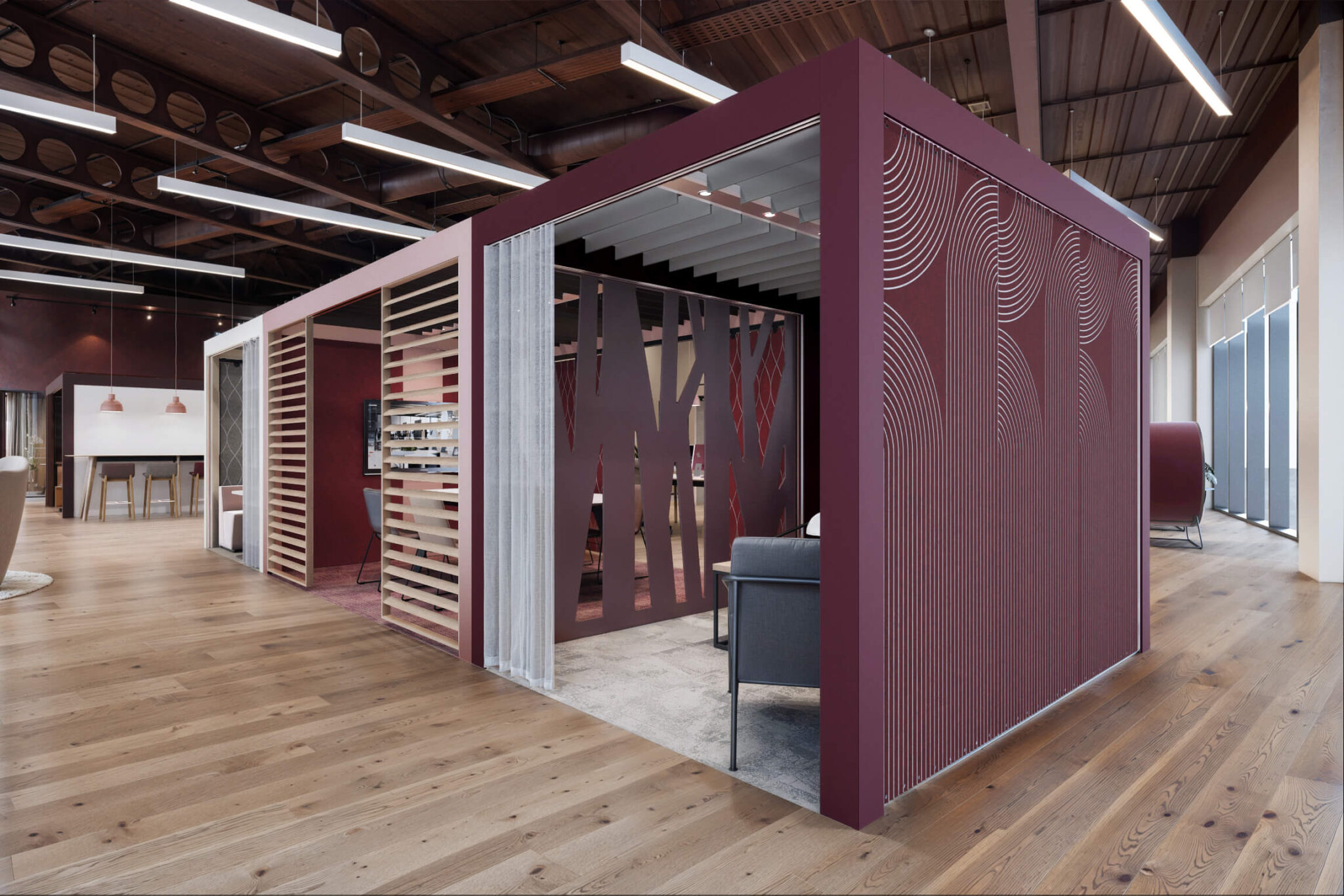
What are the advantages of hot desking?
On the plus side, you use space far more efficiently, which cuts rent and running costs at a time when desks sit empty for much of the week. The British Council for Offices has cut its desk utilisation benchmark from 80 to 66 per cent, a sign of how much working patterns have shifted (UK office space statistics 2025). Hot desking also mixes teams who would not normally sit together, which spreads knowledge and sparks ideas.
What are the disadvantages of hot desking?
The downsides are real too. Some staff lose their sense of belonging and feel less settled, which can put them off coming in at all. The daily churn of people moving around can raise noise and break concentration, and a one-size-fits-all desk is harder for anyone with accessibility needs (Indeed UK). Good office interior design answers these issues with quiet zones, varied settings and clear desk-booking, rather than just removing desks.
Storage solutions that make hot desking work
How do staff store their things without a fixed desk?
The biggest practical hurdle with hot desking is simple: where do people put their stuff? The answer is personal storage that travels with the person, not the desk. Lockers, mobile pedestals and caddies let staff keep a laptop, notebook and personal items secure, then claim any free desk when they arrive. This is what makes a clear desk policy stick instead of leaving clutter behind.
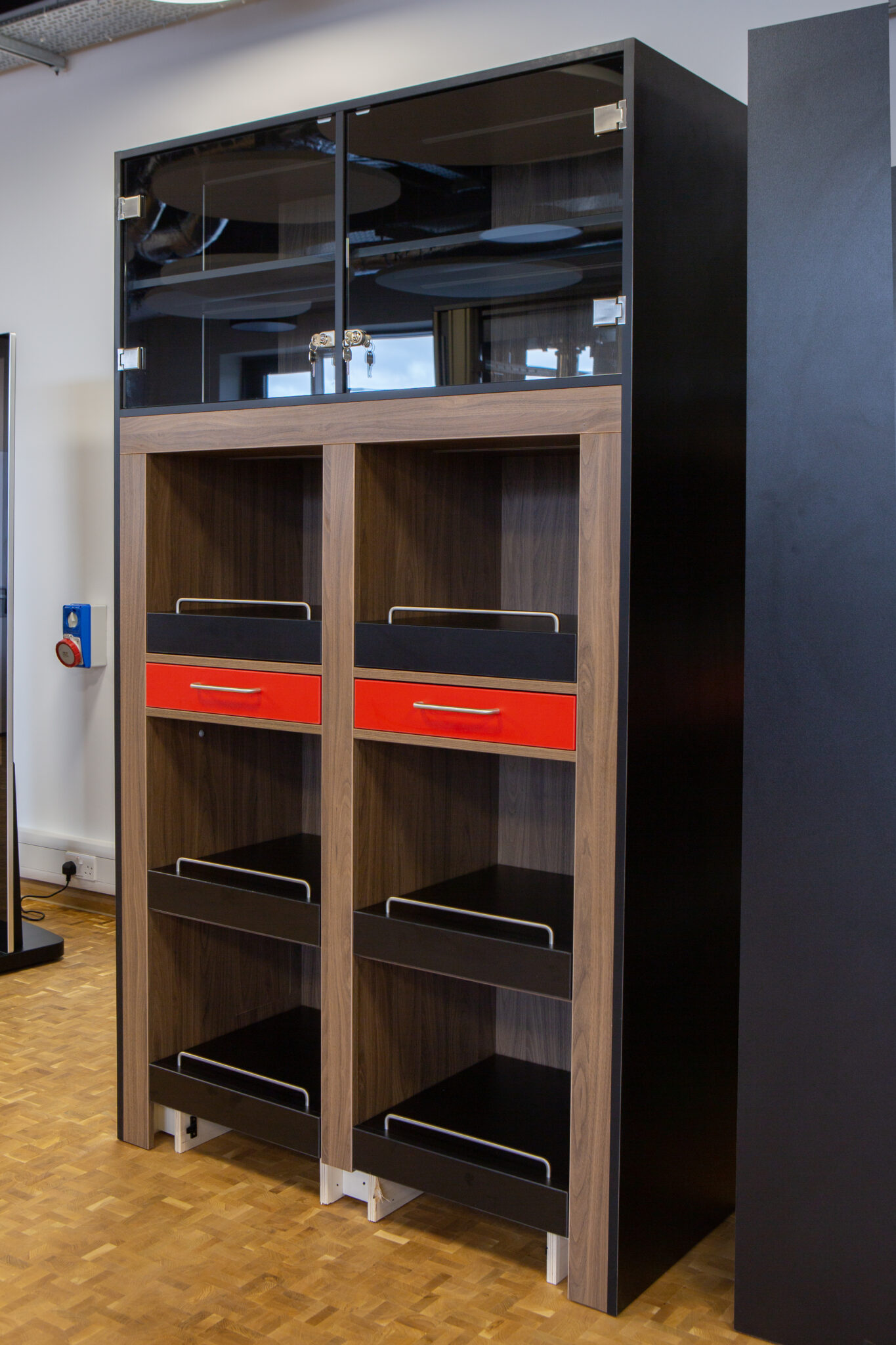
What storage suits a hybrid office?
For part-time office users, a bank of smart lockers near the entrance works well, ideally with simple keypad or app access. Add height-adjustable desks and a few bookable focus rooms and you have a setup that flexes with daily numbers. We can specify and supply all of this through our office furniture service, and plan the layout with 3D space planning so storage, desks and meeting space are sized to how your team really works. Our work for Birmingham firm Siddall Jones shows how the right layout and furniture turn a flexible office into a practical one (case studies).
How Flow Office can help
At Flow, we’re helping our clients adjust to new working patterns. We can help you create a tidy and hygienic workplace that promotes good health and efficient working.
We are supporting businesses throughout the Midlands and further afield to make that all-important shift towards flexible and efficient workspaces.
To find out more about the benefits of integrating hot desking into your office or workspace, call 01922 453 488 or email sales@flowoffice.co.uk today.