UK summers keep breaking records. The Met Office confirmed that summer 2025 was the warmest on record for the UK, with four heatwaves and a high of 35.8C in Kent. All five of the UK's hottest summers have now happened since 2000. As the climate warms, that is going to mean changes to how we live, travel and work, and offices are not exempt.
Heat is not just uncomfortable. More than 40% of people say they struggle to do their job when their workplace gets too hot, according to research summarised by the Grantham Institute at Imperial College London, so keeping a workspace cool protects both wellbeing and output.

Keeping cool at work
Because of our traditionally temperate climate, air conditioning hasn’t been a widespread feature of UK homes and offices. It’s rarely been necessary nor economical to run air conditioning in most British workplaces, but with rising temperatures, the need to keep cool is becoming more important.
Air conditioning itself is also coming under the spotlight due to its energy use and with companies keen to keep a lid on spiralling energy costs, it may not be a realistic option.
High temperatures are uncomfortable and can reduce productivity, so keeping cool in the workplace is essential. So what can you do to stay cool in an office without air conditioning?
Dress appropriately
Rising temperatures may put an end to the traditional suit and office attire. A more casual, approach to dressing can make it easier to adjust to summer highs and is better suited to hybrid modes of working. While many companies will want to maintain certain dress standards, a more flexible approach can be more comfortable and can aid productivity.
Stay hydrated
Offices frequently run on coffee and tea, but the caffeine in these drinks can increase heart rate and blood flow, and subsequently raise your body temperature. Stay hydrated by drinking lots of water. Invest in a litre water bottle and keep it on your desk.

Cool towels
Cool towels can be helpful when it comes to keeping cool. These are immersed in cold water and then pressed to leave it wet but not dripping. The cool towel is then pressed against the body, usually the neck or the forehead. The temperature differential between the user’s body and the towel transfers heat from the body to the towel. The heat is then lost through evaporation. This means that the cooling effect is more pronounced in environments where humidity is low.
Personal desktop solutions
In offices without air conditioning personal desktop solutions might be the answer. This can mean providing a small personal fan on each desk. The cooling power of personal fans can be increased when a glass of cold water is placed in front of them,
What the law says about a hot office
There is no legal maximum workplace temperature in the UK. The government guidance only sets a minimum, normally at least 16C, and asks employers to keep the temperature at a level that is reasonable. The House of Commons Library notes that unions have called for an upper limit of 30C, but no cap has been brought in.
The duty sits with the employer
Because there is no fixed cap, it falls to the employer to judge whether heat is a risk and to act. That makes a cool, well ventilated office a practical responsibility, not just a comfort, and it is far easier to design in than to bolt on later.
Design beats a heatwave better than a fan
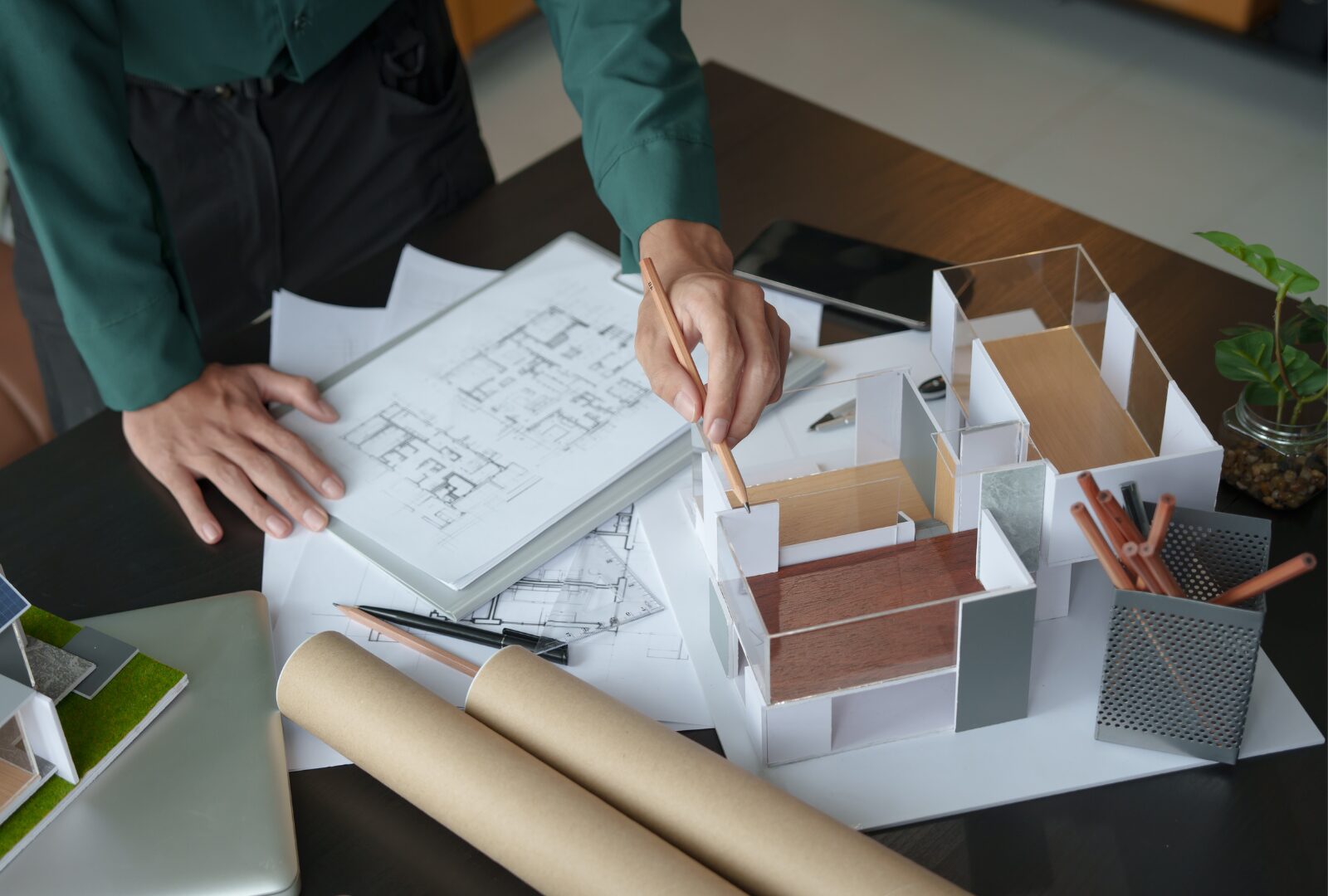
Quick fixes help on the day, but they do not fix a building that traps heat. Good air flow, shading, and the right layout cut the heat before it builds. Our 3D space planning models air movement and sun paths before any work starts, building cooling into the floor plan.

A cooler fit-out in practice
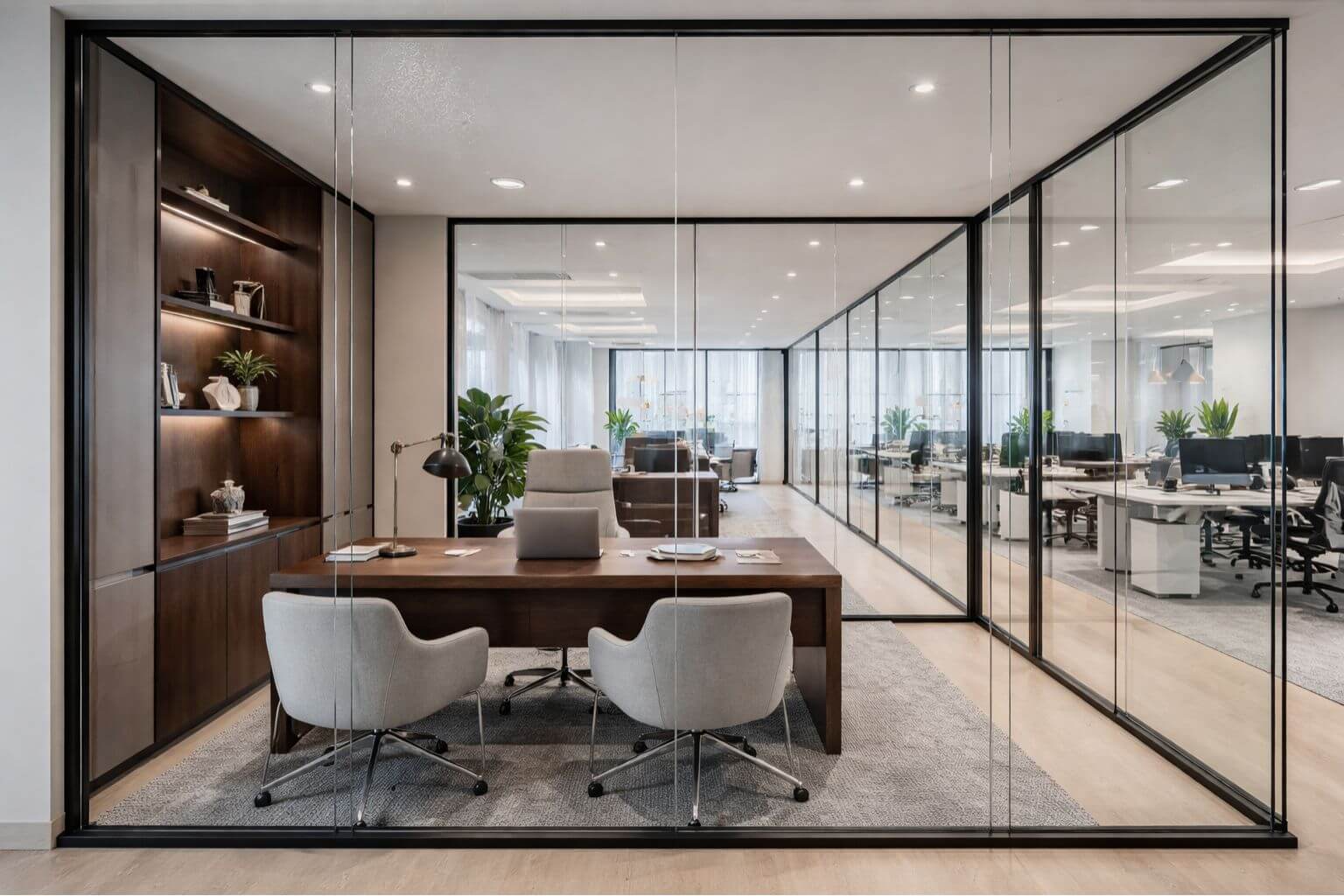
When we worked with Siddall Jones in Birmingham, the brief was a light, airy and comfortable office space, with good circulation and shading that keeps the floor usable through warm spells. You can see more of this and similar work in our case studies.
How can office design help you keep cool?
Increasingly, office design is likely to play a part in helping to keep employees cool and productive. Ensuring good air flow circulation is vital, as well as paying attention to windows and how they are shaded. Not packing in too many desks and making sure that there is plenty of ventilation around electronic devices can reduce the impact of the heat they give off.
Cool offices are light and airy, with adjustable shade and good air circulation. Including green elements can also help to create a cooler, more natural environment.
As average temperatures increase more companies will be using office design to create cooler, more comfortable working spaces.
A considered office refurbishment can lock these gains in, from better ventilation to shading, planting and a layout that lets air move.
To find out how Flow Office can help you keep your office cool and comfortable all year round, call 01922 453 488 or email sales@flowoffice.co.uk today.