Designing breakout areas has become an important part of modern office planning. Businesses are increasingly using breakout spaces to improve employee wellbeing, collaboration and workplace flexibility.
A breakout area is a flexible part of the office designed for informal use. It might host a quick catch-up, a quiet coffee, a spontaneous idea-sharing session or a short reset between tasks. Used well, these spaces can help people recharge, collaborate more naturally and enjoy being in the office. Specifying breakout areas when briefing office fit out services can help make sure they are integrated properly into the wider workplace strategy.
In this guide, readers will learn what breakout areas are, what makes them effective, which design trends are shaping them, and how to create spaces that look good and work hard.
Summary
- What is a Breakout Area?
- Key Considerations When Designing Breakout Areas
- Breakout Area Location and Accessibility
- Purpose and Functionality
- Breakout Area Furniture and Layout
- Breakout Area Technology and Amenities
- Acoustics and Privacy
- Branding and Aesthetics
- Wellbeing and Biophilic Design
- Popular Styles and Trends in Breakout Area Design
- Practical Tips for Creating Successful Breakout Areas
- Examples of Effective Breakout Areas
What is a Breakout Area?
A breakout area is an informal space within the workplace that gives people an alternative to fixed desks and formal meeting rooms. It is designed for short, flexible use rather than long, structured sessions. In practice, that can mean anything from a compact seating nook to a café-style hub, a soft-seating lounge or a semi-private pod for quick conversations.
What separates a breakout area from other office spaces is its tone and purpose. A boardroom is built for scheduled meetings. A kitchen is usually built around food and drink. A focused workstation is designed for individual output. A breakout space sits between those functions. It’s flexible enough to support informal meetings, downtime, brainstorming and social interaction, often within the same footprint.
When people can step away from their desks without leaving the working environment altogether, it becomes easier to reset, exchange ideas and return to tasks with more energy.

Key Considerations When Designing Breakout Areas
Location and Accessibility
The best breakout spaces are easy to reach but do not interrupt focused work. Positioning matters. A lounge beside a busy circulation route may feel lively, but it can also create noise spill into nearby desks. Equally, placing the area too far away can reduce use.
A good rule is to locate breakout areas close enough to feel convenient, but distinct enough to create a change of pace. Near team zones, shared amenities or natural light often works well.
Purpose and Functionality
Not every breakout area should do the same job. The strongest designs begin with a clear purpose. Is the space meant for social connection, quiet decompression, quick team huddles or hybrid working touchpoints? The answer shapes every design decision that follows.
For example:
- A collaboration pod may need writeable surfaces, movable seating and a screen
- A quiet recharge zone may need softer lighting, acoustic treatment and more personal space
- A café-style hub may focus on flow, durability and easy cleaning
Designing around use cases helps avoid creating dead space that looks attractive but sees little real use.
Furniture and Layout
Furniture has a big influence on how people behave in a space. Soft lounge seating encourages longer, more relaxed conversations. High tables and stools support quick stand-up discussions. Booths can create privacy without building full rooms. Modular furniture adds another benefit: adaptability.
Flexible layouts are especially useful in offices where team size, attendance patterns and work modes shift during the week. In particular, furniture that can be reconfigured makes the breakout area more resilient over time.
Including breakout furniture in your workplace design and planning can give you access to custom designs and excellent deals.
Technology and Amenities
A breakout area should feel easy to use, not like a dead zone. That means including the essentials people now expect: power, charging, strong Wi-Fi and, where relevant, screens for quick presentations or hybrid calls.
Even small practical details make a difference. Side tables for laptops, integrated sockets, task lighting and nearby refreshments all help the space feel genuinely useful. In many offices, breakout areas now support both informal collaboration and light-touch remote working, so connectivity should be considered from the start rather than added later.

Acoustics and Privacy
Open, social spaces are valuable, but they should not create a constant background hum across the office. Acoustic planning is one of the most important parts of designing breakout areas well.
That does not always mean building walls. Sound-absorbing finishes, rugs, acoustic panels, upholstered furniture, planting and thoughtful zoning can all help. A breakout area also needs a clear relationship with nearby quiet zones, so collaboration and concentration can coexist.
Branding and Aesthetics
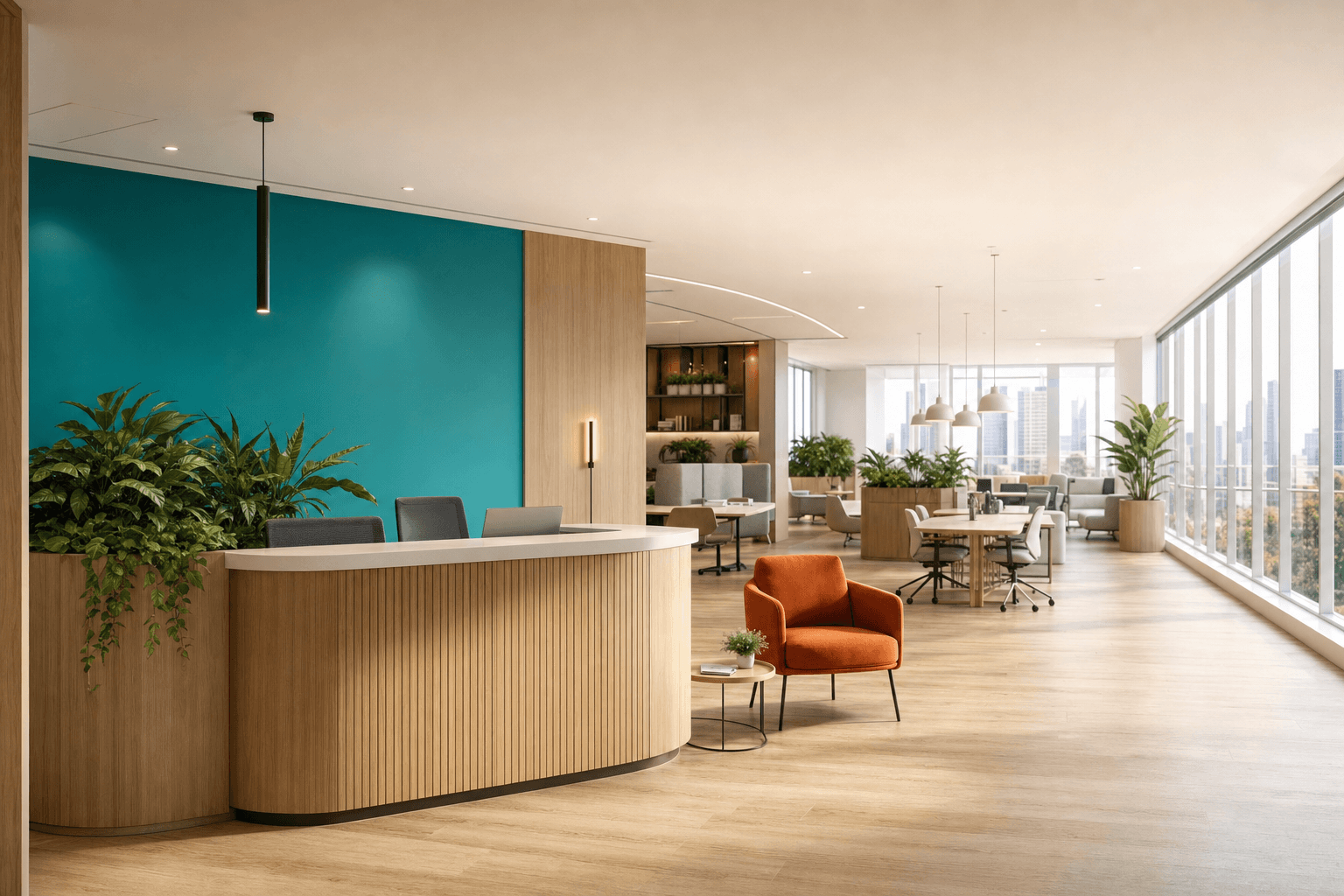
Breakout areas are often some of the most visible and memorable parts of an office. They are a chance to express company identity in a more relaxed, human way. Colour palettes, graphics, artwork, materials and styling can all reinforce the culture of the business.
For a design-led brand, this might mean sculptural furniture, bold finishes and statement lighting. For a more understated business, it may mean warm neutrals, natural textures and subtle detailing. The key is consistency. The space should feel connected to the wider office rather than styled as an afterthought.
Wellbeing and Biophilic Design
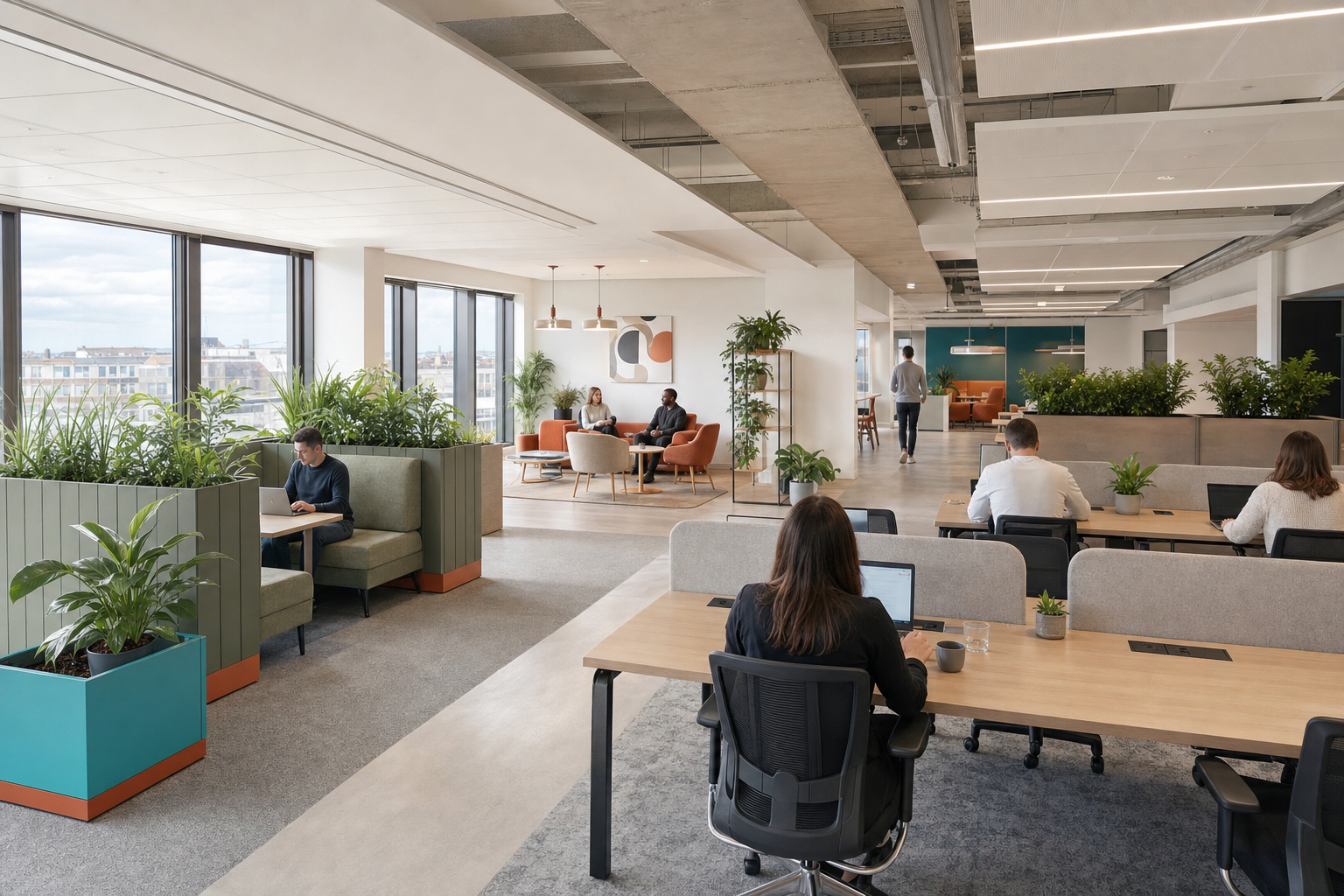
Breakout areas are ideal places to improve workplace wellbeing in visible, practical ways. Natural light, plants, timber finishes, softer shapes and ergonomic seating can all make a space feel calmer and more restorative.
Biophilic design does not have to mean a dramatic living wall. It can be as simple as better daylight access, planters that help define zones, or colour choices inspired by the natural environment.
Popular Styles and Trends in Breakout Area Design
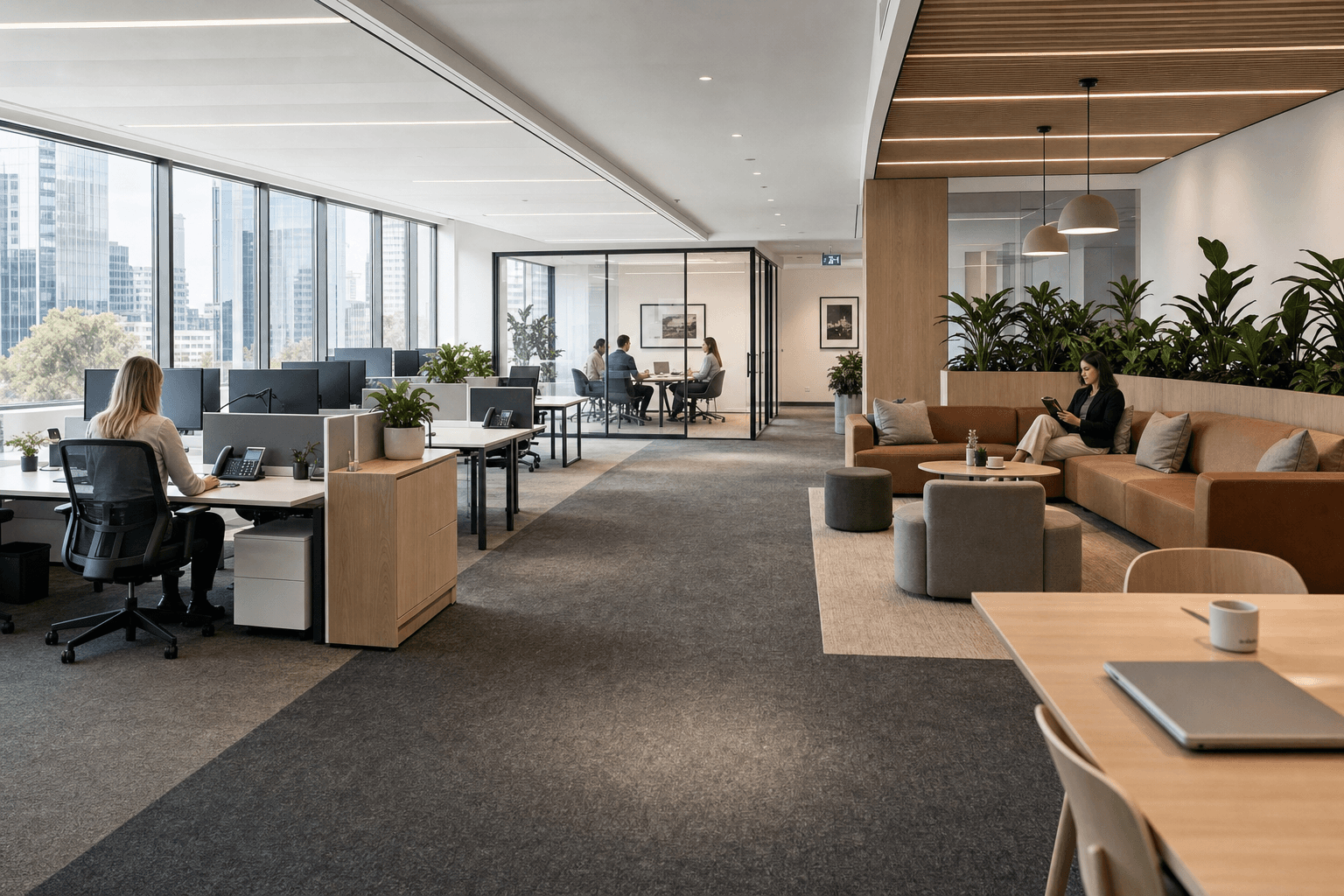
Breakout spaces are becoming more varied and more purposeful. One popular direction is the contemporary open-plan lounge, where soft seating, coffee tables and layered lighting create an inviting social hub. Another is the informal café-style setting, which gives teams a more relaxed place to meet, work or reset.
Creative hubs are also gaining traction. These spaces often mix touchdown seating, writeable walls, movable tables and lightweight screens so teams can use them in different ways across the day. Multipurpose design is a clear trend, especially in offices trying to make every square metre work harder.
Flexible furniture remains central to this shift. Modern office design trends include layouts that adapt to hybrid patterns, team workshops and casual one-to-ones without needing constant refits. There is also strong interest in sustainable choices, from durable recycled fabrics to responsibly sourced timber, low-impact finishes and furniture designed for long life.
Practical Tips for Creating Successful Breakout Areas
Start with the people who will use the space. Employee feedback can reveal whether a team wants more social energy, more privacy or a better balance between the two. Explore more breakout area ideas for inspiration and discuss it with your team to get an idea of what will benefit your business.
Build in flexibility from the start. Teams evolve, attendance patterns change and office layouts rarely stay fixed forever. Modular furniture, movable dividers and adaptable lighting can all help the space stay relevant.
Aim for balance. A successful breakout area feels open and welcoming, but still offers a degree of comfort and separation. That balance is often what makes the space usable every day rather than only occasionally.
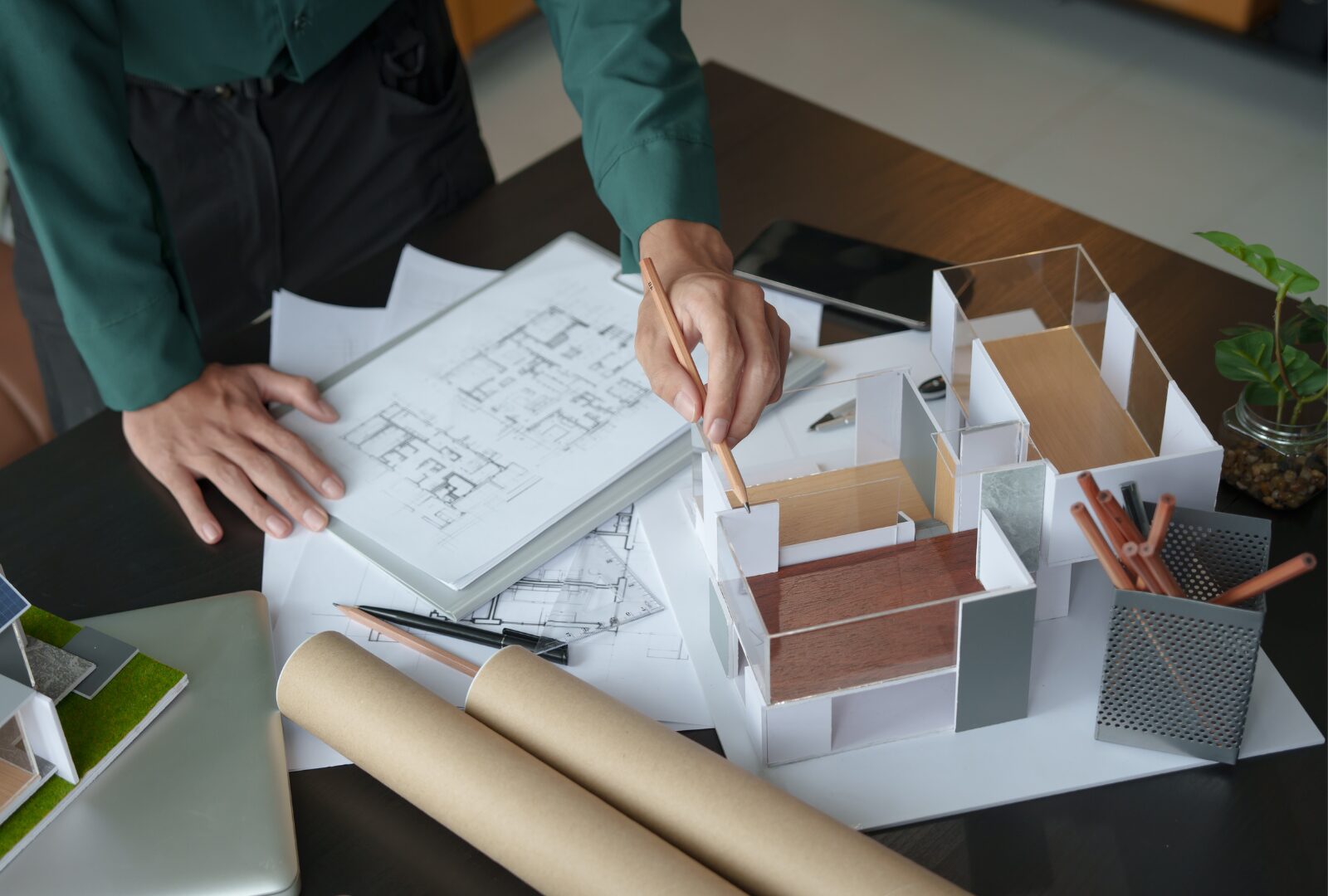
Finally, involve experienced workplace designers and fit-out specialists early in the process. Good breakout areas are not only attractive. They are planned around movement, acoustics, behaviour and brand.
Examples of Effective Breakout Areas
An effective breakout area often succeeds because it serves more than one purpose without becoming confusing. A well-planned office might include a café-height collaboration table near the centre of the workspace, a quieter booth edge for one-to-ones, integrated power for devices, acoustic finishes to control sound and planting to soften the look and feel.
Another strong example is a lounge-style zone that combines relaxed seating with strong visual identity. This kind of space can support informal meetings, short breaks and visiting clients while reinforcing the company brand.
In hybrid offices, breakout spaces are increasingly being used as touchdown zones where employees can move between focused work, informal meetings and video calls without booking formal rooms.
When materials, furniture and layout are all chosen with care for your office refurbishment project, the breakout area becomes a practical asset rather than a spare corner with loose seating.
The best examples share the same qualities. They are easy to access, comfortable to use, visually coherent and flexible enough to support changing patterns of work.
Case Study: Gallagher Security
“The main office is split into three zones with an oasis in the centre. Using storage space as dividers we helped to create an informal area that can be used for 1 to 1 meetings as well as helping to break up the space. These also include planters to bring in biophilic design, and additionally we incorporated a poseur height project table to encourage collaboration.”

Common Mistakes When Designing Breakout Areas
- Treating breakout areas as leftover space results in poor placement, such as next to noisy equipment or quiet focus areas, making it difficult for people to relax. As an afterthought, a breakout space lacks a clear purpose, so guidelines around its usage and etiquette are muddy, and it is unlikely to be used.
- Ignoring acoustics can lead to echoing or deadened breakout areas, making them uncomfortable to use. It also means that any conversations or collaborative meetings can spill over into quieter areas, disrupting focus and creating tension.
- Choosing style over usability will mean breakout areas do not fulfil their purpose. Good design should enable staff to unwind and share ideas openly: aesthetic appeal is only part of this.
- Forgetting power and charging access will inhibit collaborative use, so make sure to include power outlets in breakout areas.
- Designing only for collaboration and not quiet reset time will make the wellbeing outcomes ineffective.
- Using furniture that cannot adapt over time will limit the potential of breakout areas, and potentially lead to replacing them later.
Design for Connection
Designing breakout areas well can change how an office feels and how people use it. These spaces support collaboration, improve comfort and give teams a place to pause, connect and think differently. When planned with purpose, they become far more than spare seating.
For businesses investing in office redesign, breakout areas deserve serious attention. Whether you are redesigning a single collaboration zone or planning a full office fit-out, thoughtful breakout area design can improve how people experience the workplace every day.
Speak with Flow Office to explore breakout area ideas tailored to your team, culture and workspace.
FAQs about Designing Breakout Areas
What is the purpose of a breakout area in an office?
A breakout area gives employees a flexible space for informal meetings, short breaks, brainstorming and social interaction away from their desks.
What should be included in a breakout area?
A well-designed breakout area often includes comfortable seating, accessible power, strong Wi-Fi, suitable lighting, acoustic control and a layout that supports its intended use.
How do you make a breakout area feel more private?
Privacy can be improved with acoustic panels, booths, planting, rugs, screens and careful zoning away from high-noise workstations.
Why are breakout areas important in modern offices?
Breakout areas support wellbeing, collaboration and workplace flexibility. They can also make the office more attractive to employees and visitors.