What is biophilic design?
Enhancing Employee Well-being Through Nature-Inspired Spaces
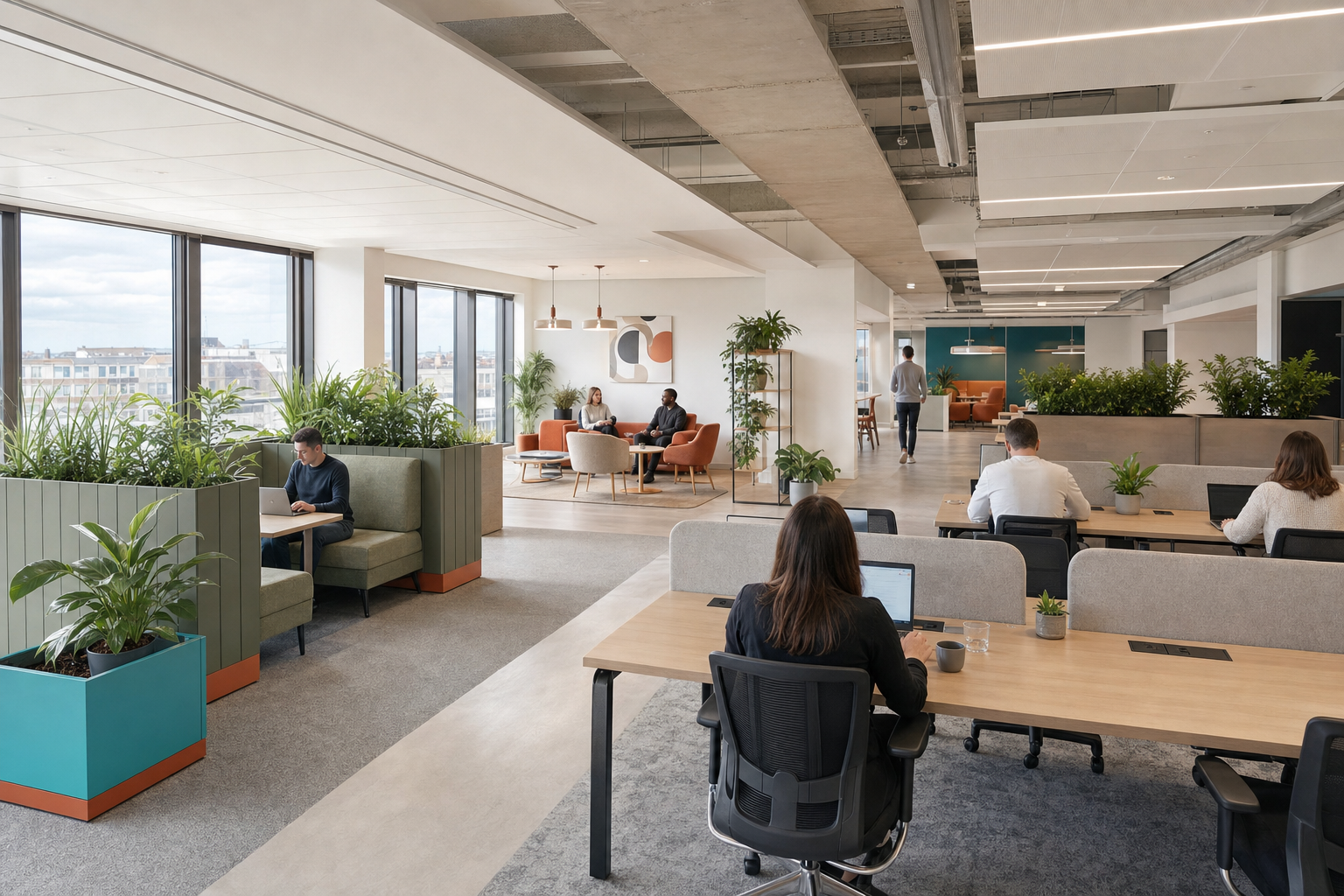
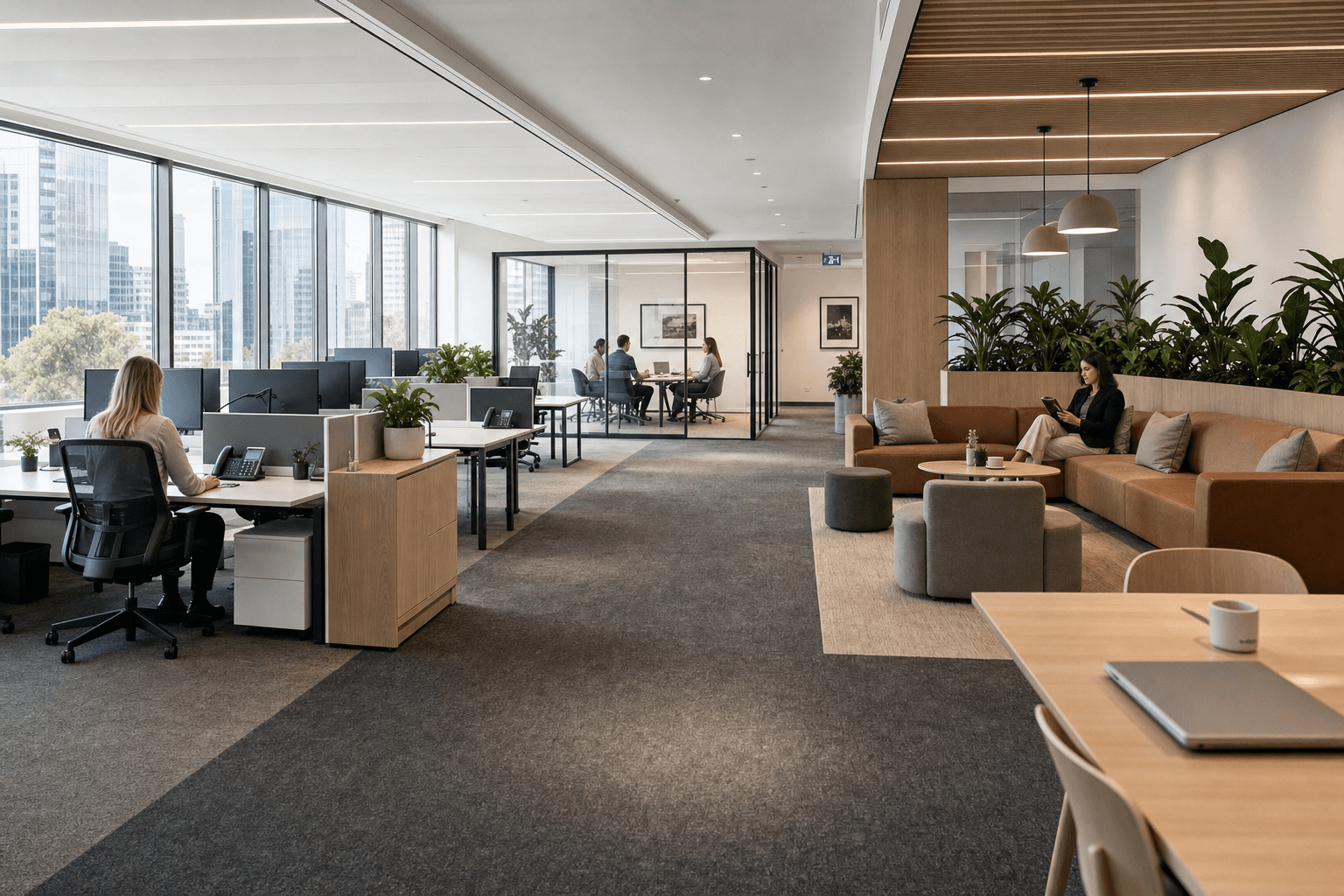
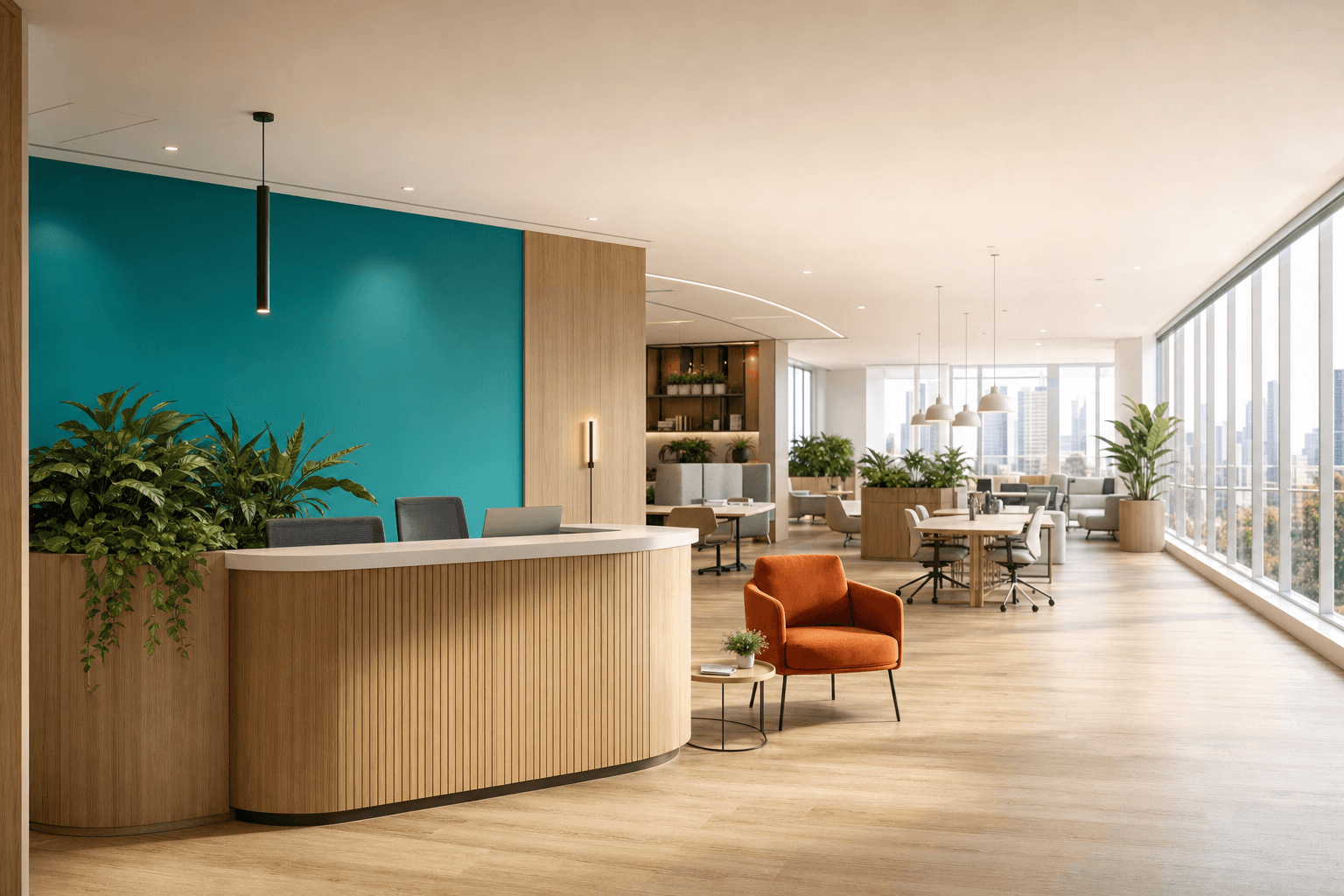
The modern workspace is evolving, and businesses are increasingly recognising the need to create environments that support both employee well-being and productivity. One of the most impactful trends in office design today is biophilic design, a concept that integrates nature into indoor spaces to foster a healthier, more balanced working environment. Far beyond just adding a few plants to the office, biophilic design takes a holistic approach, combining natural light, materials, and elements that promote wellness, creativity, and focus.
In this article, we’ll explore how biophilic design transforms office spaces, boosting employee productivity and fostering creativity, while also reducing stress and absenteeism. We’ll look into its key benefits, core principles, and practical implementation, and show how businesses can create healthier, more dynamic environments by embracing nature-inspired design.

Biophilic Office Design: A Quick Overview
Biophilic office design integrates nature into the workplace to boost well-being, productivity, and creativity. Key elements include:
- Natural Light: Maximises daylight and reduces reliance on artificial lighting.
- Plants and Greenery: Improves air quality and creates a calming atmosphere.
- Natural Materials: Uses wood, stone, and other natural materials to connect with the outdoors.
- Water Features: Adds calming elements like fountains or ponds.
- Outdoor Views: Provides views of nature to promote relaxation.
- Sustainable Design: Incorporates eco-friendly materials and practices.
Biophilic design reduces stress, increases focus, and encourages innovation, all while promoting sustainability and reducing absenteeism. It helps create workspaces that feel healthier and more connected to nature.

What is Biophilic Design?
Biophilic design refers to the practice of incorporating elements of the natural world into indoor environments. Its roots lie in environmental psychology, which studies how natural surroundings influence human behaviour and health. Research shows that being in contact with nature can reduce stress, enhance mood, and improve cognitive function.
Biophilic design principles centre around creating spaces that connect people to nature, even when they’re indoors. The goal is to design environments that mimic the calming and restorative effects of nature, helping employees feel more at ease, focused, and motivated throughout the day.

Why Biophilic Design Matters in the Workplace
Biophilic design is more than just a trend; it’s a strategy with proven benefits for both employees and employers. In today’s fast-paced work environments, mental and physical well-being is paramount. Studies show that exposure to natural elements in the workplace can drastically improve employee well-being by reducing stress, lowering blood pressure, and even enhancing cognitive function.
- Employee Well-Being: The presence of natural light, greenery, and nature-inspired elements has been linked to improvements in mood, reduced stress levels, and increased physical health. A 2014 study found that access to nature in the workplace can increase employee satisfaction and reduce absenteeism.
- Productivity and Creativity: Employees who work in biophilic environments tend to perform better on tasks requiring focus, problem-solving, and creativity. A study found that 55% of employees feel more productive in spaces with natural elements. Nature-inspired offices help enhance cognitive function, stimulate creativity, and improve collaboration.
- Employee Retention and Satisfaction: Employees who feel valued and cared for in their workspace are more likely to stay with the company. A workplace that promotes well-being through biophilic design can help reduce turnover and increase overall job satisfaction, making it a valuable tool in talent retention.
Research-backed benefits like these underscore why biophilic design is not just an aesthetic choice, it’s a smart investment in employee performance and satisfaction.
The Core Elements of Biophilic Office Design
To create an effective biophilic office, several key elements must be thoughtfully integrated.
Let’s dive deeper into each one:
Natural Light
Maximising natural light is essential in a biophilic office design. Natural light boosts mood, improves circadian rhythms, and increases focus. Offices should be designed with large windows, open floor plans, and light-reflective materials to ensure an abundance of daylight. Where natural light is limited, light tubes or artificial lighting mimicking natural daylight can be used.
Indoor Plants
Adding plants to the office is one of the simplest and most effective ways to bring nature indoors. Indoor plants help purify the air, increase oxygen levels, and enhance mood and productivity. Studies have shown that plants in the workplace reduce stress, lower blood pressure, and even improve creativity. Consider creating green walls or indoor gardens that double as aesthetic features and health boosters.
Natural Materials
The use of natural materials such as wood, stone, and bamboo brings a tactile connection to nature. These materials have been shown to promote well-being and add warmth to a space. Wooden desks, stone flooring, or bamboo partitions are just a few examples of how natural elements can be incorporated into office design.
Water Features
Incorporating water elements, such as fountains, ponds, or even water-themed decor, creates a calming and soothing environment. The sound of flowing water can reduce stress, promote relaxation, and improve concentration.
Views of Nature
Whether it’s a landscaped courtyard, a park, or even urban greenery, access to views of the outdoors significantly enhances employee satisfaction. When designing an office, position workstations near windows or open spaces to maximise views of nature, making the most of whatever natural surroundings you have.
Patterns and Forms from Nature
Incorporating organic shapes, patterns, and textures into furniture and decor (think rounded edges, leaf-like shapes, or stone-inspired textures) can mimic nature’s own aesthetics. These elements evoke a sense of balance and harmony, reducing mental fatigue and improving focus.
By thoughtfully integrating these elements, offices can foster a healthier, more inviting atmosphere that nurtures employee well-being and productivity.
Designing a Biophilic Office: Key Considerations
When it comes to designing a biophilic office, several key considerations can make a big difference in how successful the integration will be:
Space Planning
Strategically organising office layouts is crucial. To maximise natural light, open spaces should be prioritised, with workstations placed near windows. A well-thought-out layout will also help employees enjoy outdoor views and have access to communal green spaces.
Integration with Technology
In today’s digital world, balancing biophilic design with modern technology is vital. Tech-friendly furniture such as ergonomic desks and conference rooms with seamless video conferencing capabilities can coexist with biophilic elements like wood panelling, plants, and natural lighting. Technology should support the natural environment, not overpower it.
Adaptability
Biophilic office design should be flexible, allowing for different work styles. Collaborative spaces with open seating can be paired with quiet zones or private pods that offer solitude and focus. The integration of natural elements in both areas will create spaces that appeal to diverse needs.
Sustainability
Sustainability is an integral part of biophilic design. Use eco-friendly materials such as recycled wood, energy-efficient lighting, and low-impact paints. Sustainable practices, including water conservation and reducing energy consumption, help align the workspace with the principles of biophilia.
Employee-Centered Design
A biophilic office design should cater to different employee needs, providing spaces for both collaboration and individual focus. Incorporate green areas where employees can relax and recharge, helping them feel more connected to the environment.
The Challenges in Implementing Biophilic Design
While biophilic design offers numerous benefits, there are some challenges businesses may face when adopting this approach:
Budget Constraints
Incorporating biophilic elements can be costly, especially when it involves major renovations or the installation of large, custom features. However, businesses can start small, focusing on more affordable elements like plants, natural lighting, and sustainable materials.
Space Limitations
Smaller offices or those with limited access to natural light or outdoor views may find it difficult to incorporate all the desired elements of biophilic design. However, even small adjustments, such as placing plants in strategic locations or using light-reflective materials, can still make a significant difference.
Maintenance
Indoor plants and natural materials require ongoing care and maintenance. Regular watering, pruning, and cleaning are necessary to ensure that plants thrive and materials remain in good condition. This can require additional time and resources.
Cultural Resistance
Some organisations may be sceptical about the effectiveness of biophilic design. Overcoming this resistance involves educating employees and management about the long-term benefits, backed by research, and starting with small, cost-effective implementations.
A Success Biophilic Office Design Example
Biophilic design can significantly enhance office environments by connecting employees with nature. A prime example is our work on Gallagher Security’s New European Headquarters in Warwick, a 17,500 SQFT space where we blended industrial aesthetics with biophilic principles to create a functional, rejuvenating workplace.
The design featured natural elements like wood accents and abundant greenery. A central “oasis,” with plant-filled planters, divided the space while improving air quality and creating a calming atmosphere. To avoid traditional layouts, we designed hexagonal desks, which not only added visual interest but also supported collaboration. These desks were placed in areas with maximum natural light and surrounded by biophilic elements, enhancing the overall work environment.
Biophilic touches were also incorporated throughout key spaces. In the canteen, a mix of seating options was paired with plants to foster a community feel, while Zoom rooms used wood panelling and greenery to create comfortable, welcoming spaces for virtual meetings.
This project showcases how biophilic design can combine aesthetic appeal with functionality, boosting employee well-being and productivity in modern office settings.
How to Measure the Impact of Biophilic Design
To evaluate the success of biophilic design in the workplace, organisations can use several methods:
- Employee Feedback: Conduct surveys, interviews, and check-ins to assess satisfaction, mood, stress levels, and productivity.
- Productivity Metrics: Track performance data, project completion times, and employee output to gauge the impact on work efficiency.
- Health and Well-being Metrics: Monitor absenteeism, stress levels (e.g. HRV monitoring), and physical health (e.g. fewer headaches or eye strain) to evaluate health improvements.
The Future of Biophilic Office Design
As the workplace continues to evolve, so too does the role of biophilic design in shaping office environments. One of the emerging trends is the integration of virtual biophilic design, where nature-inspired digital elements are incorporated into virtual workspaces. These nature-themed virtual environments can enhance remote work experiences, providing employees with calming, nature-infused backgrounds that boost focus and reduce stress, especially in industries with high rates of remote work.
Additionally, the growing demand for sustainable, employee-centred design is pushing biophilic principles to the forefront. As companies increasingly prioritise sustainability and employee well-being, biophilic design is becoming synonymous with eco-friendly and wellness-focused workspaces. From energy-efficient building materials to air-purifying plants, the future of office spaces will heavily rely on green, sustainable practices.
Biophilic design also aligns with broader workplace trends such as flexible workspaces and wellness-centred environments. With the rise of hybrid and flexible work arrangements, companies are prioritising spaces that promote mental health, encourage collaboration, and offer spaces for quiet, focused work. The future of office design will focus on integrating nature to create adaptable, healthier, and more productive workspaces that support a wide range of work styles.
How We Can Help
Incorporating biophilic design into office spaces offers numerous benefits, from boosting employee well-being and productivity to fostering a creative and healthy environment. With elements like natural light, indoor plants, and sustainable materials, businesses can create spaces that enhance mood, reduce stress, and improve focus. As we look to the future, biophilic design will continue to evolve, with trends such as virtual nature-inspired environments and a growing focus on sustainability driving its adoption.
If you’re looking to enhance your office space and boost your team’s well-being, now is the time to consider biophilic design. Whether you’re redesigning your current office or creating a new space, integrating nature can make all the difference in creating a healthier, more productive workplace.
Ready to bring nature into your office? Contact us today to explore how biophilic design can transform your workspace and benefit your team.
FAQ
What is biophilic office design?
Biophilic office design integrates natural elements, such as plants, natural lighting, and outdoor views, into workspaces to enhance well-being and productivity. It draws on the connection between humans and nature to create healthier, more stimulating environments.
What are the advantages of biophilic office design?
Biophilic design can improve employee well-being, reduce stress, boost creativity, and increase overall productivity. It also helps with air quality and can foster a more positive, engaging work atmosphere.
Are there any challenges with biophilic office design?
Implementing biophilic elements can be costly and may require ongoing maintenance. Additionally, finding the right balance of nature-inspired elements is essential, as poorly executed designs might disrupt workflow or create distractions.
How can I design a hybrid office?
Designing a hybrid office involves creating flexible spaces that accommodate both in-office and remote work. It includes collaborative areas, quiet zones, and tech-enabled spaces for seamless communication. Prioritising flexibility, employee comfort, and technology is key to successful hybrid design.