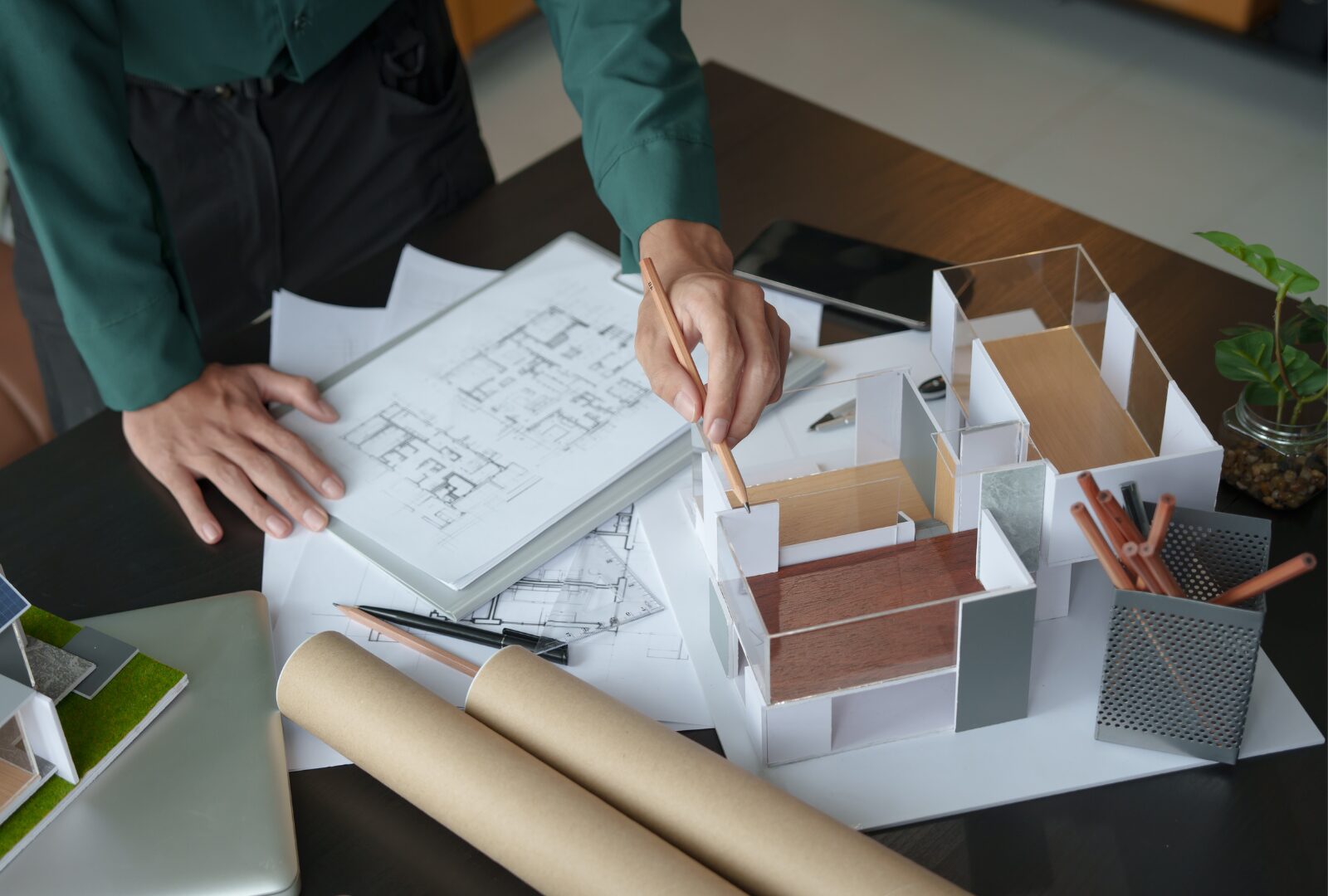
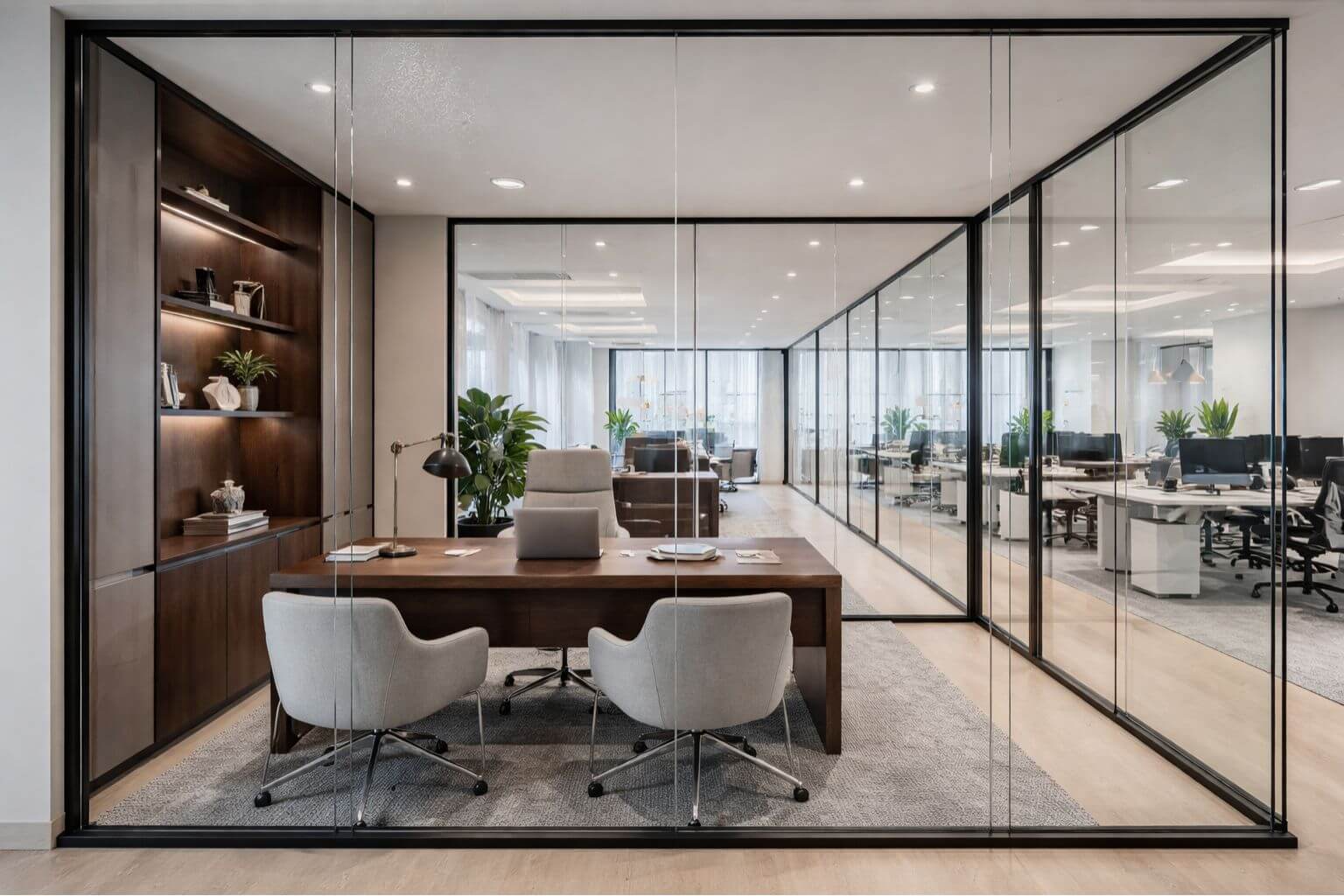
There’s more to office space planning than ensuring that office furniture, equipment, resources, and most importantly, people, all physically fit into your workspace. It’s also about thinking creatively about how space is used, and how it can be adapted to create a productive, creative and comfortable space that adds value to your business.
Superficially looking at your office design and thinking about how it’s going to be laid out is unlikely to ensure the very best use of space. Instead, you need to think systematically, bearing in mind a range of different factors.
At Flow, we’re experts when it comes to office space planning. We use a combination of the smartest technology and our unrivalled depth of experience to deliver outstanding results for our clients.
Today that also means planning around how people actually use the office across the week, not just how many desks will fit.

How to Plan Office Space
Any office planning exercise needs to begin with how you use your current space. How does the space meet your expectations of what you need, or how do you think it should be used? For instance, how many meeting rooms do you really need compared to what you previously presumed you needed?
Then you need to define your needs in more detail by looking at how your business operates and what you require in order to function. What do you need to achieve with your space, how will people work together, how many people use the office, and what’s required in terms of social space?
Then think how much room is needed for you to fit in everything you require without creating clutter and a poor working environment? Your office space floor plan needs to take into account the wellbeing of everyone who works there. If you’re planning how best to layout a totally new office space then the considerations will be different, but the same degree of careful attention to detail needs to be taken.

Don’t Struggle With Office Design Alone
Professional office space planners know how to best maximise your available space ensuring that key requirements are met and that compromises are kept to a minimum. They will use a variety of tools to help reconfigure existing offices and plan new ones. Technology is increasingly making the planning of new offices much easier than it used to be.
Office space planning services take a systematic and thorough approach to office planning, drawing on a depth of experience and industry knowledge. Anyone currently in the process of planning their new office space can save themselves time and potential inconvenience by using a professional office space planning service.
3D Office Space Planning
One game-changing piece of technology in creating new office layouts is 3D space planning. This ensures that no time is wasted at achieving the optimal design for your new workspace. Computer-aided design software can show you what your new office will look like with just a few clicks of a mouse.
Plan for Hybrid Peak Days, Not One Desk Each
The way offices fill up has changed, and good planning now starts there. UK office occupancy has settled at just over three days a week and tends to bunch into the middle of the week, with Tuesday to Thursday far busier than Monday or Friday, according to Remit Consulting. Planning a desk for every name on the payroll means paying to heat and light space that sits empty most days.
What is the right desk-sharing ratio?
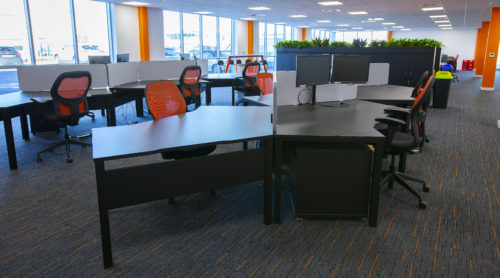
Most organisations now share desks rather than assign them. CBRE reports that the majority run ratios above 1.5 people per desk, with very few still keeping a one-to-one setup. The right ratio depends on your real attendance data, so the audit at the start of planning matters more than ever. A blend of shared desks, quiet rooms and social space usually beats rows of fixed workstations.
How can you plan space on a tight budget?
You do not need a full rebuild to plan better. Reusing and reconfiguring existing furniture, adding bookable desks and turning surplus floor area into meeting or breakout space are all low-cost moves. Modelling the layout first with 3D space planning avoids costly changes once work starts.
What about upkeep once the plan is in place?
Shared and flexible layouts need light upkeep to keep working. A simple booking system, a clear-desk habit and regular checks on which areas get used (and which do not) let you adjust the plan over time. Hard-wearing, easy-clean furniture keeps shared desks and breakout zones presentable with less effort.
Flow Office took this practical approach on the Orbit project in York, planning a flexible layout that matched how the team really works.
Office Space Planning and Design
The team at Flow Office are the experts when it comes to office space design and planning. Based in Aldridge, we create functional, flexible and fabulous office designs for our growing client list.
We work closely with our clients, ensuring that every last detail is taken care of and that the end result meets their requirements while exceeding their expectations.
If you’re in the process of planning a new office space then we’d love to hear from you. Why not call 01922 453 488 or email sales@flowoffice.co.uk to find out more about how we work?