When the idea of designing offices and workplaces with employees' wellbeing in mind was first mooted, there were many who dismissed it as new-age nonsense. However, over the years, with the advent of more research, it has become widely accepted that focusing on workplace wellbeing results in much improved productivity, higher morale, fewer sick days and greater staff retention. Here we examine a few of the easiest changes you can make to your office space to promote the well-being of you and your staff...
The case for this work is now stronger than ever. A five-year study of more than 300,000 UK employees from Great Place To Work and Johns Hopkins University found workplace wellbeing has fallen, with under-35s and frontline managers hit hardest, so the design choices below matter more than they did when this article first ran.
1. Variety is the spice of work...
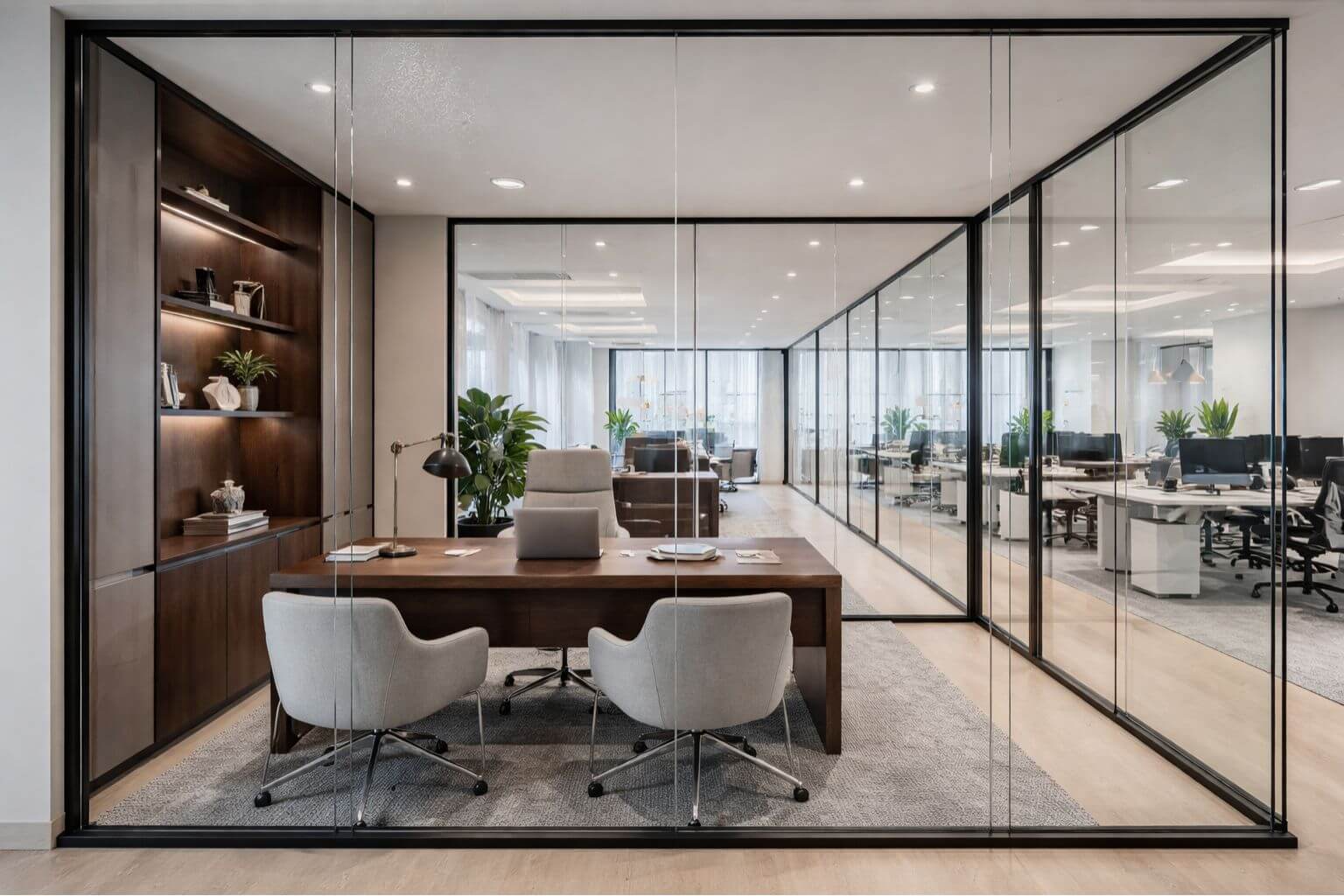
Make sure your employees have a number of different settings in which to work, so that they're not necessarily stuck at the same desk all day, every day for months and even years on end. Giving them options can mean something as simple as having breakout areas for recreation or group collaboration and having private rooms or pods for focused work. If appropriate, you might also have a hot desk system so people don't get bogged down in one space, or even the option of sit-stand desks.
As well as increasing psychological wellbeing, the possibility of choice also promotes increased movement and less sedentary work habits.
2. Let the light in...
Office lighting has been shown to affect mood and can therefore impact productivity and worker wellbeing, so it's essential that your office design includes a clear and practical lighting strategy.
First of all, you should incorporate as much natural light as you can. Second, think about where most light is required. For example, staff will need brighter light (around 300 Lux) while working at their desks, particularly in darker months, while more informal spaces such as breakout areas can make do with around 150-200 Lux.
The daylight point is not just about mood. UK Green Building Council research found staff with good access to daylight reported 18% fewer sick days, which is one of the clearest returns you can design in. Good 3D space planning helps you place desks where the light falls.

3. Let the colour flow...
Like lighting, colour can make a lot of difference to mood within the workplace. Ideas about the psychology of colour have changed over the years, however, and today's office designers are happy to embrace more than just the calming blues and greens of yesteryear. Today, vibrant reds, yellows and purples are no longer the rarity in our nation's workplaces they once were. Match your décor to your brand, but don't be afraid to go bold. As well as painted walls, colourful furniture and furnishings are also a great way to liven up your workplace and your staff.
4. Plants and art...
When we bring plants and shrubs into our workplaces, oxygen levels go up, increasing levels of concentration levels, improving moods and ultimately leading to greater productivity. This is scientific fact. A study by John Moores University in Liverpool revealed that plants are beneficial in removing most indoor air pollutants and that offices with plants have around 50-60% fewer moulds and bacteria than those without plants. This clearly makes for a much healthier environment.
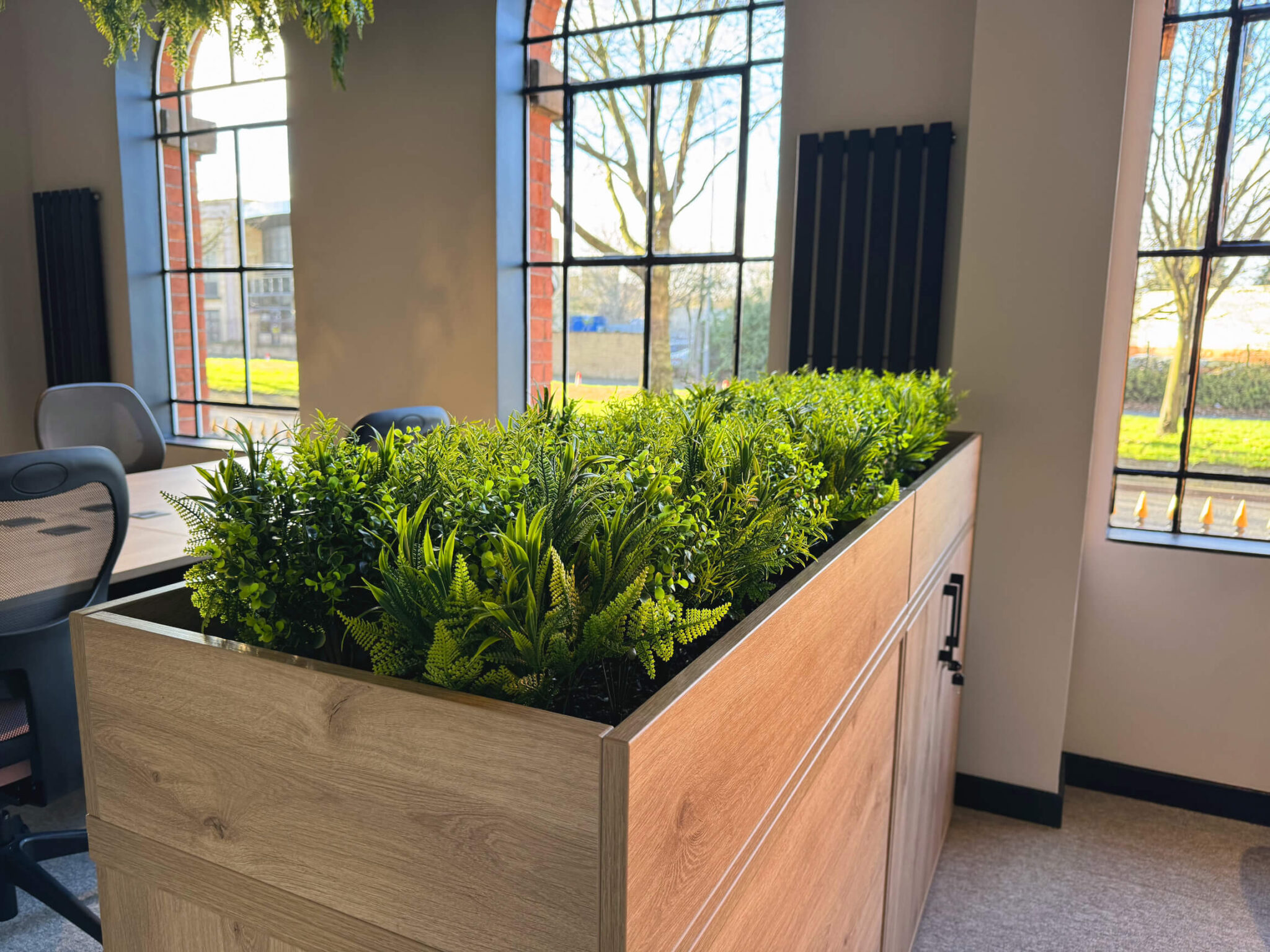
Many offices nowadays even have living walls which is testament to the health and wellbeing properties they bring.
Similarly, when art is introduced into the workplace, staff not only feel happier, they also tend to feel more creative. Once again, this is scientific fact. A study by Exeter University showed that people working in ‘enriched spaces’ or , in other words, where there is plenty of art, were 17% more productive than those who worked in ‘lean’ spaces (bare and functional).
Newer work backs this up. A 2024 study of more than 600 office workers in Scientific Reports found that indoor nature exposure raised wellbeing through better energy, motivation and resilience, and that the space itself produced the benefit whatever the person's outlook. This is the heart of biophilic design, which simply means bringing nature (plants, daylight, natural materials and views) into the workspace.
5. Thermal wellness…
This is a relatively new concept in office wellbeing but it’s definitely catching on with those forward-thinking companies that like to be ahead of the curve. In a nutshell, it’s about controlling temperatures within certain areas of the office space so that those who feel the cold are warmer and those who get a bit hot under the collar, can be kept cooler.
Temperature preferences vary significantly from one individual to another so it’s a tricky thing to manage. Nevertheless, offices which are too warm tend to make people tired and too cold causes restlessness and distraction. Managing thermal wellness is a bit like the three bears…not too cold, not too hot, but getting it just right!
There is now data to aim at. Across 24 studies, productivity dropped by about 10% at both 30C and 15C against a comfortable band of 21C to 23C, and better ventilation lifted performance by around 11%. So fresh air and a steady temperature are wellbeing tools, not just comfort.
5. Freedom, fun and comfort...
Ultimately, the less work feels like a form of punishment, the happier and more productive your staff will be. So, as well as all the above ideas, make sure that all of your furniture is comfortable; make sure there are spaces to relax and have fun in; allow your staff to bring in things from home, including photos, plants and food; ensure decent views if possible, with a connection to the outside world; and do everything you can to encourage fun and activity, this might mean table football in the breakout area or yoga classes at lunchtime.
What the evidence and a real project tell us about wellbeing design
The numbers now back the brief
The tips above are no longer a hunch. Recent UK research links daylight to 18% fewer sick days, ties nature in the workspace to higher energy and resilience, and shows fresh air and steady temperatures lift output. With wellbeing falling across the UK, the gains are there for firms that design for it.
How Flow Office puts it into practice
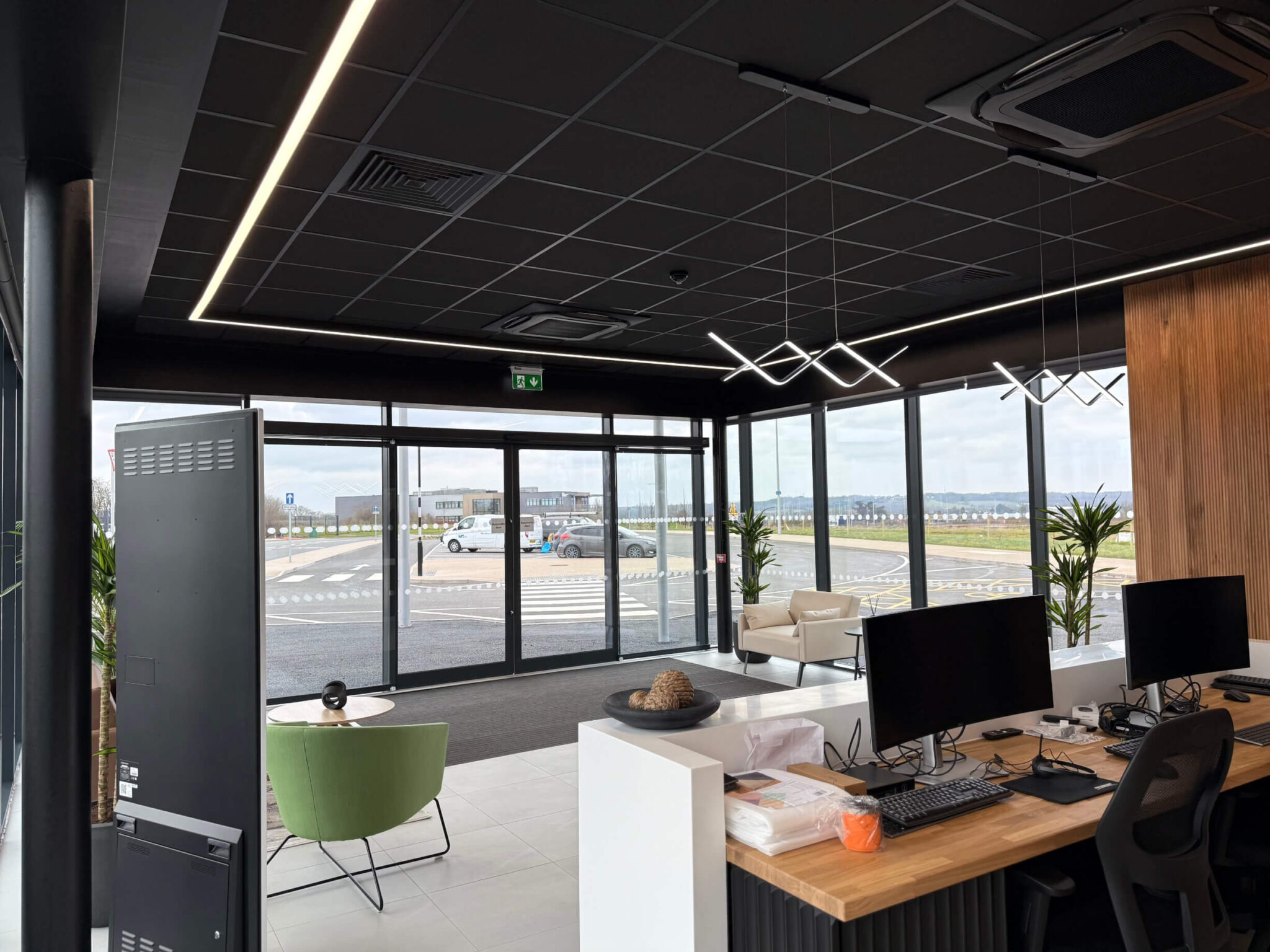
On our Orbit office project in York, we used daylight, varied work settings and natural finishes to create a space that supports staff through the day, the same principles set out above. Our office wellbeing consultancy turns this evidence into a plan for your space.

Where to start
Begin with daylight and air, add planting and varied settings, then tune colour and comfort. Our office interior design team can shape all of it around how your people actually work.
At Flow, we can design office spaces that will deliver all the practicalities you need as well as focusing on the wellbeing of your staff. Contact us now to discuss your requirements.
In other words: want the best for your staff and make sure that's reflected in your office design.